

Why Everyday Tasks Get Harder With Age
Getting out of a chair. Climbing the stairs. Carrying groceries. These changes often happen so gradually that they're dismissed as "just getting older." But decades of research tell a different story: declining strength—not age itself—is one of the biggest predictors of losing independence, and it's something we can do something about.
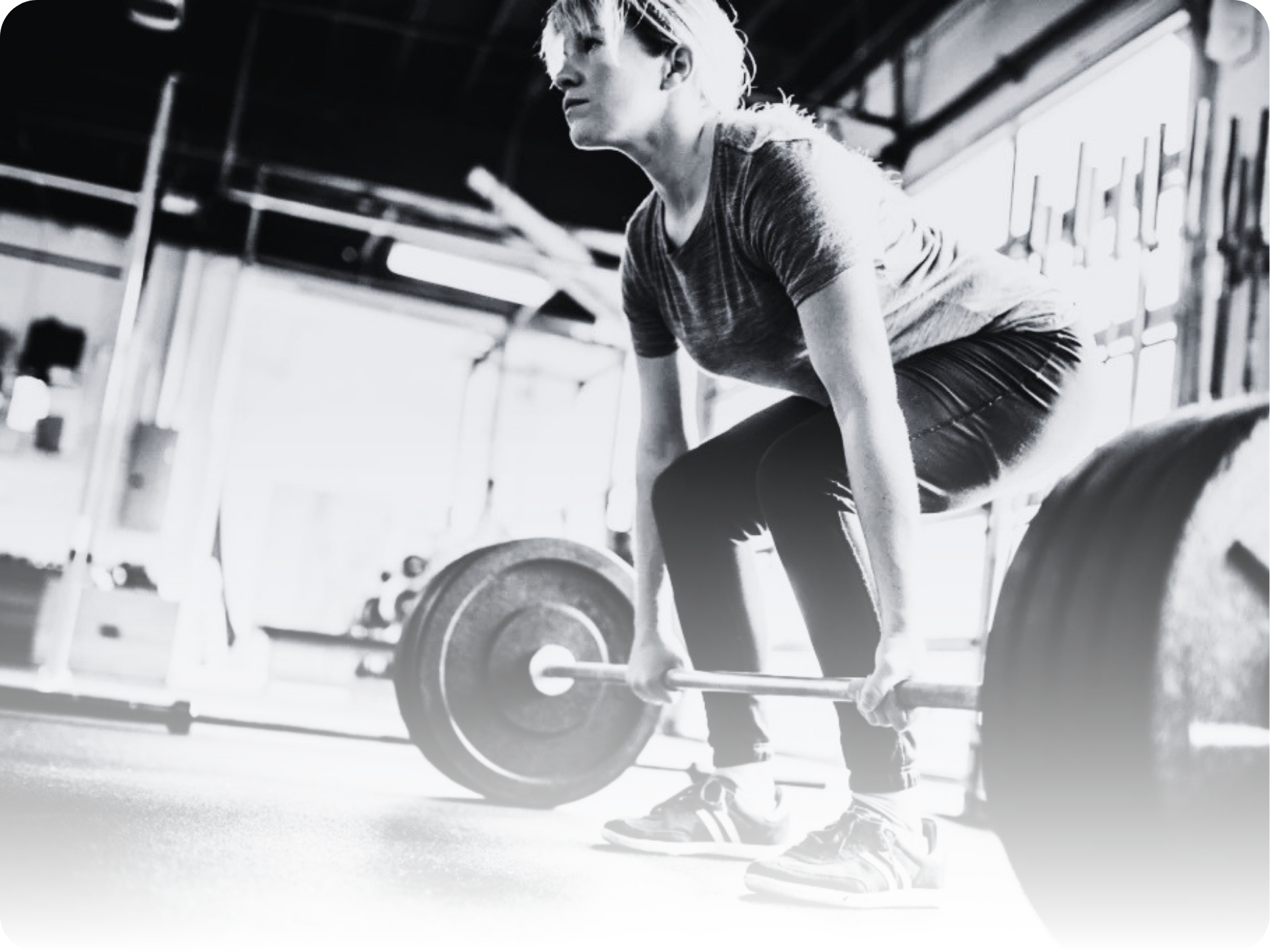
Your Back Is Stronger Than You Think
A landmark study scanned more than 3,100 people with no back pain at all — just to see what their spines looked like.
The results? By age 40, the majority of pain-free adults already have "abnormal" findings on MRI. Disc bulges, degeneration, even herniations — present in people walking around feeling completely fine.
Disc changes are often just part of being human. Like gray hair or wrinkles. Internal evidence of a life that's been lived.
So why does an MRI report so often make people feel fragile, fearful, and afraid to move? And what does the science actually say about building a back that holds up to real life?

GLP-1 Weight Loss: How to Protect Muscle, Strength & Long-Term Health
Medications like Ozempic and other GLP-1 drugs have transformed the weight-loss landscape, helping many people finally gain traction in their health journey. But alongside these benefits, clinicians and trainers are seeing a growing concern: rapid weight loss often brings unintended losses in muscle, strength, and physical capacity. At Six20 Strength, we believe understanding this trade-off is critical. Our blog breaks down the science, the risks, and the practical steps you can take to protect your body and your long-term health.
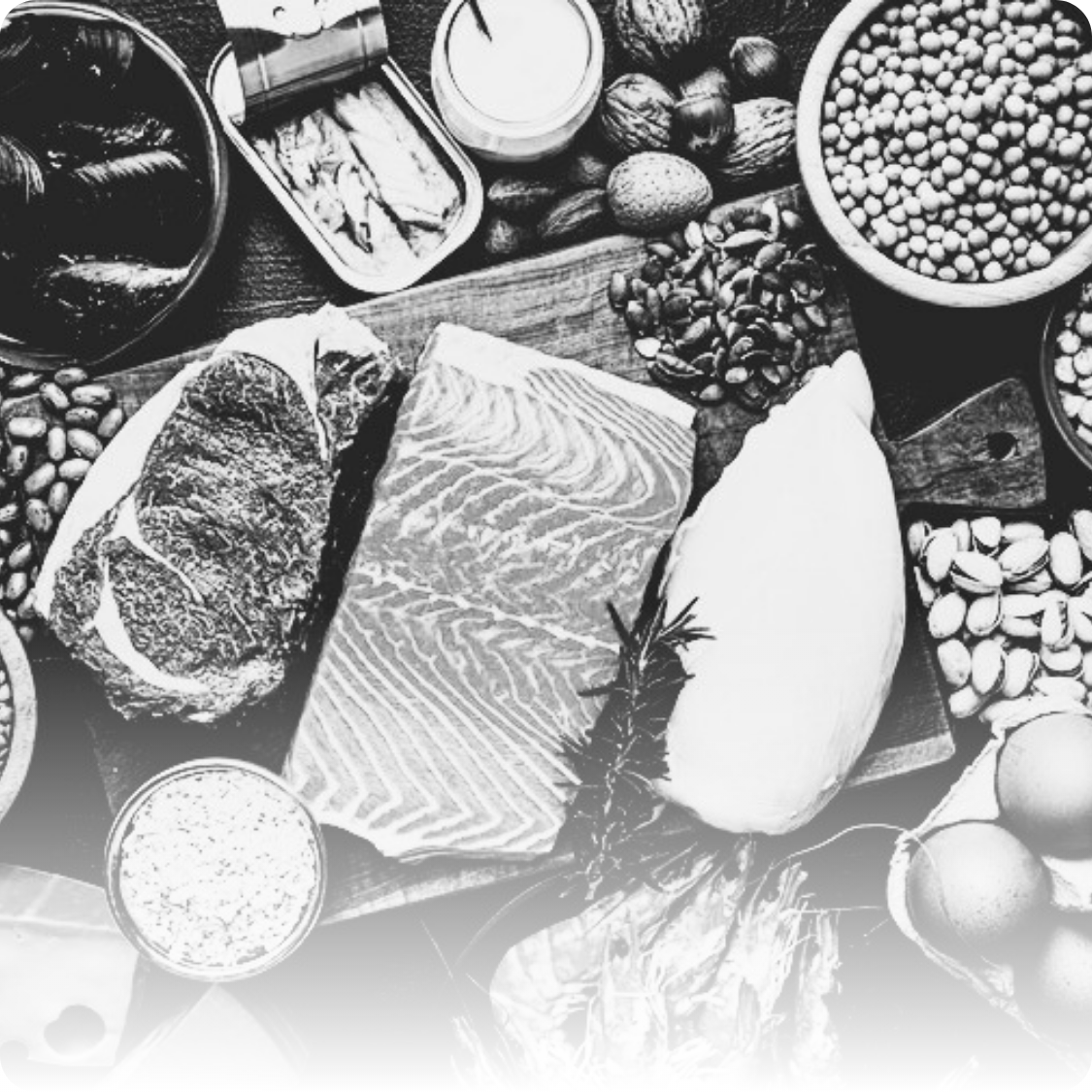
Protein: How Much Do You Really Need?
How much is safe? How much can I absorb? How much per meal? How much for muscle building? How much for fat loss? What are good sources? So many questions surround this topic for most people. A quick google search will give you an overwhelming amount of recommendations with a wide range of values. We hope to provide some clarity on the confusion surrounding protein intake using current research.